Aging Well in January 2026
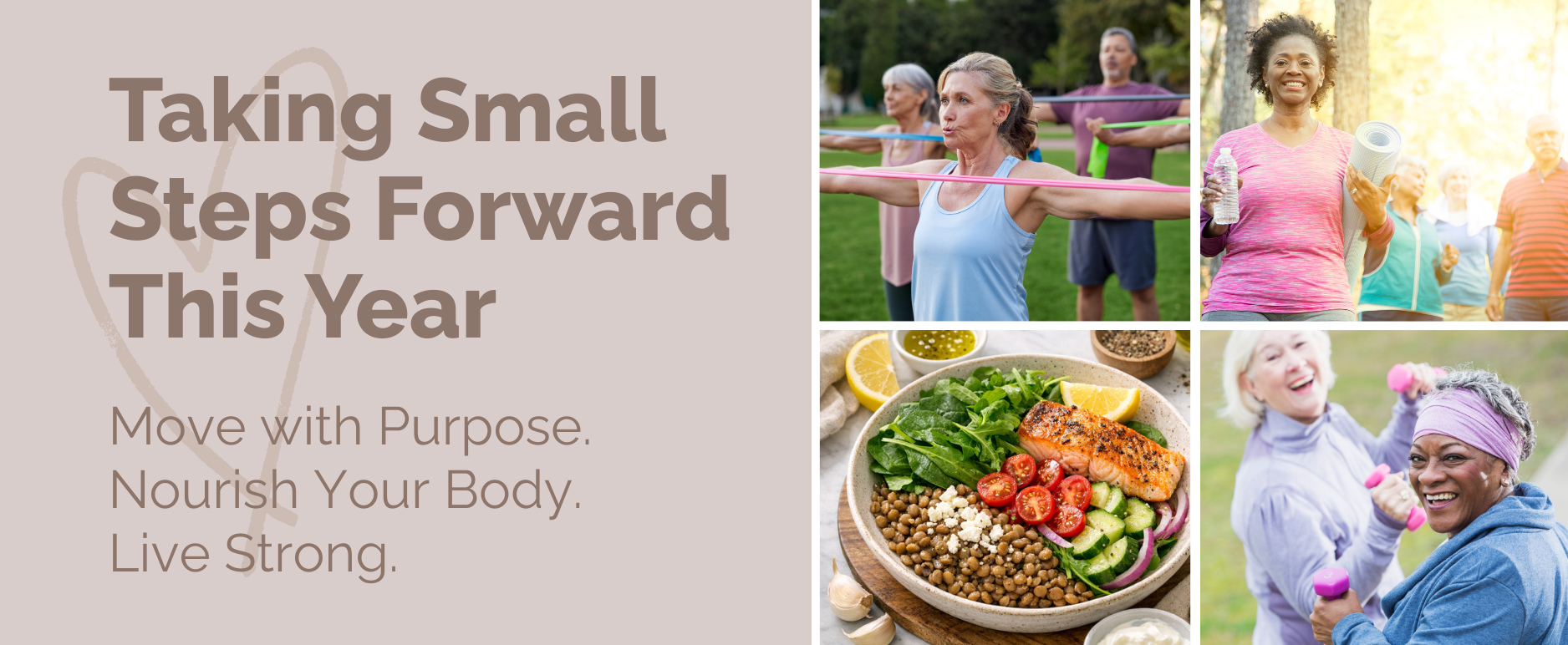
Walking is often praised as a straightforward exercise that improves health and can help you live longer. While it does have benefits, recent studies show that relying only on walking might not be enough for long-term health. This article explores why walking alone may fall short and looks at other factors that contribute to living a longer, healthier life.
Understanding the Benefits of Walking
Walking is great for your health. It's easy on your body, boosts heart fitness, strengthens muscles, and supports mental well-being. Regular walks can lower the risk of diseases like heart disease, diabetes, and stroke. Plus, it improves circulation, lifts your mood with endorphins, and helps you maintain a healthy weight.
Why Walking Isn’t Always Enough for Optimal Health
Muscle Strength and Bone Health: Walking improves your heart and leg strength, but it doesn't do enough for overall muscle strength and bone density, especially as you age. Activities like lifting weights or using resistance bands are crucial to keep muscles and bones strong, which helps prevent falls and fractures.
Metabolic Health: Walking might not be intense enough to significantly improve metabolic health. Activities that raise your heart rate, like jogging, cycling, or aerobic classes, are better for improving insulin sensitivity, managing blood sugar levels, and reducing the risk of conditions like type 2 diabetes.
Brain Health: Walking is good for your mind, but activities that involve complex movements and coordination like dancing, yoga, or playing sports—give extra benefits for brain health. They challenge your brain more, improving memory, cognitive function, and mental agility.
Overall Fitness: Longevity is about more than just heart fitness. It's also about strength, flexibility, and balance. While walking helps your heart, doing a variety of exercises ensures you're fit in all these areas, which is important for staying healthy as you age.
Factors Contributing to Longevity
Nutrition: Eating a balanced diet with lots of fruits, vegetables, lean proteins, and healthy fats is crucial for living longer. Good nutrition supports your overall health, boosts your immune system, and helps prevent diseases.
Sleep and Stress Management: Getting enough good, quality sleep and managing stress well are key for a long life. Chronic stress and poor sleep can harm your heart, immune system, and mental health.
Social Connections: Having strong friendships and meaningful relationships helps you live longer. Socializing reduces stress, boosts mental health, and encourages healthy habits.
Mindfulness and Mental Well-being: Practices like meditation, yoga, and relaxation techniques are great for longevity. They lower stress levels, improve mood, and enhance overall well-being.
Taking a Holistic Approach
At Aging Well, we believe in a holistic approach to help you live longer and feel better overall. We look at your health, family history, lifestyle, and physical abilities to create a personalized plan that will give you the best results but also make it fun!! While walking is a good start, we also focus on strength training, aerobic exercises, balanced eating, good sleep habits, stress reduction techniques, social connections, and mindfulness practices to maximize your chances of living a long, healthy life.
Ready to start your journey toward a longer, healthier life? Consider working with Aging Well to provide you with a personalized plan to improve your overall well being and help you stay vibrant and healthy for years to come.
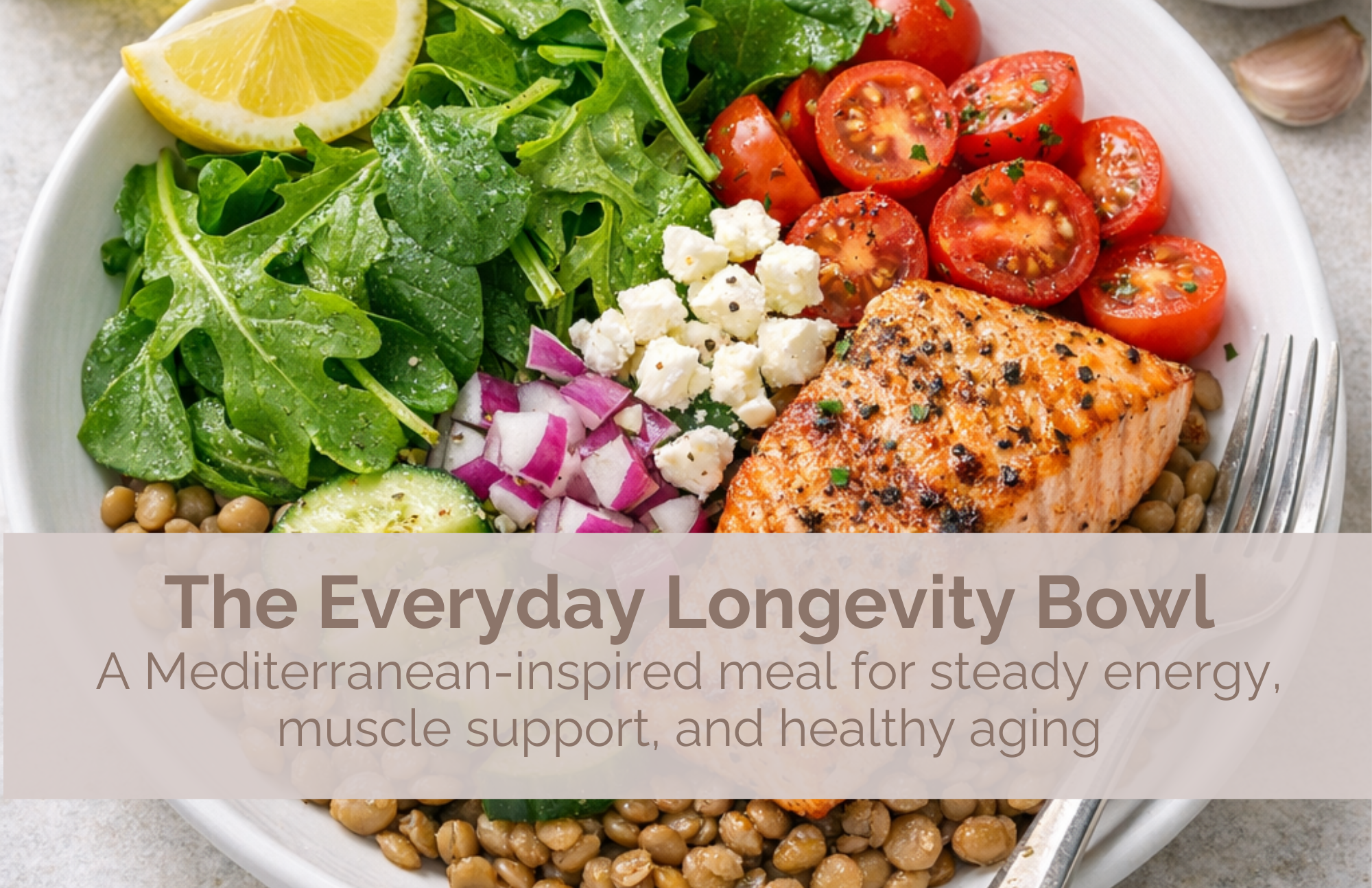
Longevity Bowl (1 serving)
Base
1 cup cooked lentils or chickpeas (about ½ standard can, rinsed)
Vegetables
1½ cups leafy greens (spinach or arugula)
½ cup cherry tomatoes, halved
¼ cup cucumber or red onion, sliced
Protein (choose one)
3–4 oz cooked salmon or sardines
OR ½ cup firm tofu, cubed
Healthy fat
1–2 tbsp extra-virgin olive oil
Flavor
1 tbsp fresh lemon juice
1 clove garlic, minced (or ¼ tsp garlic powder)
Black pepper to taste
Optional: 2 tbsp crumbled feta or ¼ cup plain Greek yogurt
Why this still matters
~20–30g protein (with fish)
High fiber (10–15g)
Low glycemic load
Strong Mediterranean / Blue Zone alignment
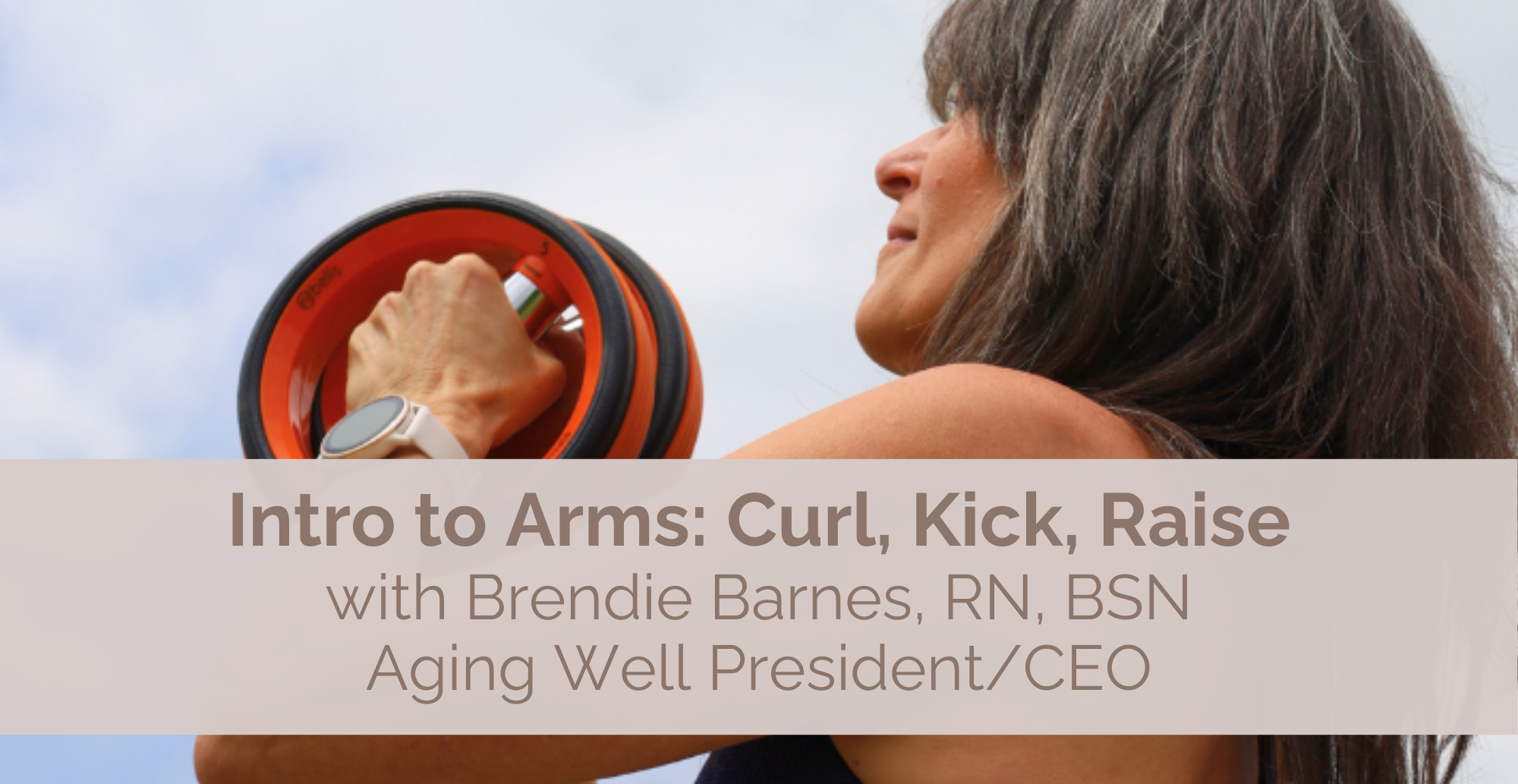
Join Brendie Barnes, CEO and President of Aging Well, for a few upper body exercises to strengthen your shoulders, biceps and triceps to help keep you strong and functional throughout your daily activities.
If you’d like to learn more information about adding daily movement to your routine or want personalized guidance, we’d love to support you. Reach out or schedule a free Discovery Call. We are here to help.
Please note before beginning: Do not participate in any exercise program until your healthcare provider has cleared you to exercise.